Choosing Between CO2 and Fiber Laser Systems: What Fits Best?
Purchasing a laser cutting system is a decision that can influence a company’s manufacturing capabilities for years. While many buyers immediately compare machine specifications or prices, the more important question is whether the selected technology aligns with daily production requirements.
CO2 and fiber laser systems represent two different engineering approaches to industrial cutting. Each technology has distinct operating characteristics, making one more suitable than the other depending on production goals, material types, and future business plans.
Every production facility has unique operational demands, making it essential to select the laser system that aligns with its specific manufacturing workflow. This guide explains the practical differences between CO2 and fiber laser systems so businesses can make an informed investment.
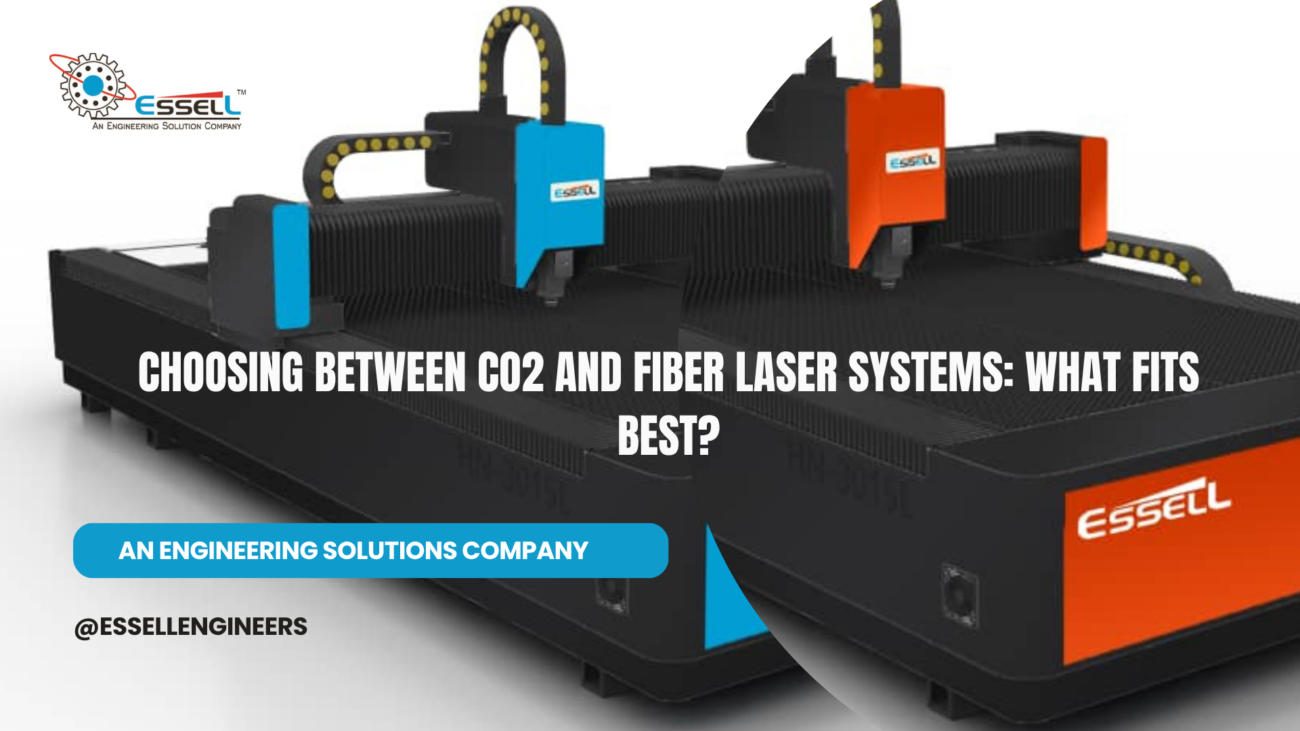
Understanding the Difference Before Comparing Performance
Although both technologies use concentrated laser energy to process materials, they generate and deliver that energy in completely different ways.
A CO2 laser creates its beam using an enclosed gas mixture that is energized electrically before the beam is guided through mirrors toward the cutting head.
A fiber laser follows a different approach by amplifying light inside specialized optical fibers. The generated beam is transmitted directly through fiber optics, reducing the number of mechanical components involved in beam delivery.
This fundamental engineering difference influences maintenance requirements, operating efficiency, and application suitability.
Which Materials Will Your Business Process Most Often?
One of the simplest ways to narrow your decision is by examining your production schedule.
For facilities where metal fabrication represents the majority of production, fiber laser equipment offers a highly effective solution for processing conductive materials while maintaining tight dimensional tolerances.
If your projects regularly include acrylic sheets, wood panels, leather products, fabrics, paper, or similar non-metallic materials, CO2 laser technology may provide greater application flexibility.
Instead of selecting equipment based on industry trends, evaluate the materials that generate the majority of your revenue.
Production Objectives Matter More Than Machine Specifications
Manufacturers often compare wattage, cutting capacity, or table size while overlooking a more important factor—production objectives.
Ask yourself:
- Is production volume expected to increase over the next five years?
- Will the machine operate continuously or occasionally?
- Are rapid delivery timelines becoming more common?
- Is product customization increasing?
The answers to these questions often provide stronger guidance than comparing technical brochures.
Evaluating Long-Term Operating Costs
The purchase price represents only one portion of the total investment.
Daily operating expenses continue throughout the machine’s working life and should be considered before making a decision.
Factors that influence long-term costs include:
- routine servicing
- replacement components
- electricity usage
- consumable requirements
- scheduled maintenance
A comprehensive cost evaluation provides a more realistic picture of overall ownership.
Maintenance Philosophy Differs Between Both Technologies
Every manufacturing business has different maintenance capabilities.
Some organizations maintain dedicated service departments, while others prefer equipment requiring minimal routine intervention.
Because their engineering designs differ significantly, CO2 and fiber laser systems also differ in maintenance procedures.
Understanding your company’s technical resources helps determine which system better matches your operational structure.
How Automation Influences Equipment Selection
Manufacturing facilities increasingly rely on automation to improve consistency and production efficiency.
Modern laser systems can be integrated with:
- robotic loading systems
- automated unloading stations
- production monitoring software
- digital workflow platforms
Businesses planning future automation should evaluate how easily each laser technology can integrate with broader manufacturing systems.
Think Beyond Current Production Requirements
Many equipment purchases are based entirely on today’s workload.
However, manufacturing rarely remains unchanged.
Customer expectations evolve.
New industries emerge.
Product designs become more complex.
Selecting equipment with sufficient flexibility allows businesses to adapt without replacing major production assets prematurely.
Environmental and Workplace Considerations
Industrial equipment should contribute to a safe and organized working environment.
When comparing laser systems, manufacturers should also consider:
- available floor space
- ventilation planning
- production layout
- operator accessibility
- maintenance access
A well-planned installation improves both productivity and workplace organization.
Questions Every Buyer Should Ask Before Investing
Instead of focusing solely on technical specifications, decision-makers should discuss practical business considerations.
Examples include:
- Which materials generate the highest production volume?
- How quickly must customer orders be completed?
- Will production capacity expand in the future?
- How easily can operators learn the system?
- What level of technical support is available?
Answering these questions often leads to a more confident purchasing decision.
Why Expert Guidance Makes a Difference
Every laser installation should be planned around operational needs, making the selection process far more strategic than buying conventional factory equipment.
Every manufacturing facility has unique production targets, material requirements, and workflow challenges.
Working with an experienced equipment provider helps businesses evaluate multiple technical and operational factors before selecting the most suitable solution.
Application-focused expertise helps manufacturers identify equipment that fits their operational requirements while supporting long-term production planning.
Why Manufacturers Trust Essell
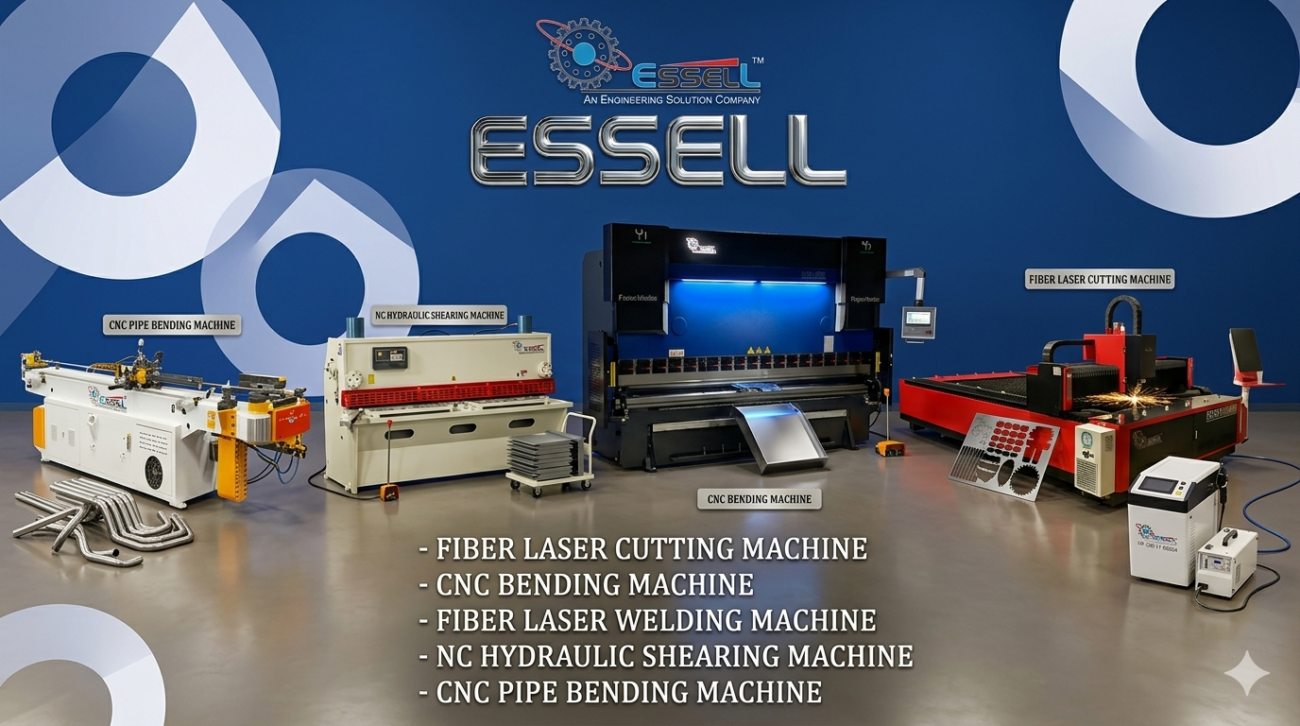
At Essell, every customer receives more than industrial machinery. The focus is on understanding production objectives and recommending solutions that match real manufacturing requirements.
Essell supports businesses through:
- precision-engineered laser systems
- application-based equipment recommendations
- dependable machine performance
- responsive technical assistance
- long-term customer relationships
By combining engineering expertise with practical industry knowledge, Essell helps manufacturers invest in technology that supports sustainable business growth.
Conclusion
Instead of following market trends, businesses should evaluate which laser technology delivers the best results for their specific manufacturing applications. It is about identifying the solution that best complements your production environment, business objectives, and future expansion plans.
A careful evaluation of materials, workflow, operating costs, maintenance expectations, and scalability will lead to a smarter investment decision. With expert guidance and advanced manufacturing solutions from Essell, businesses can confidently select laser technology that delivers value well beyond the initial purchase.